Horses and farm animals: a practical guide for adopters
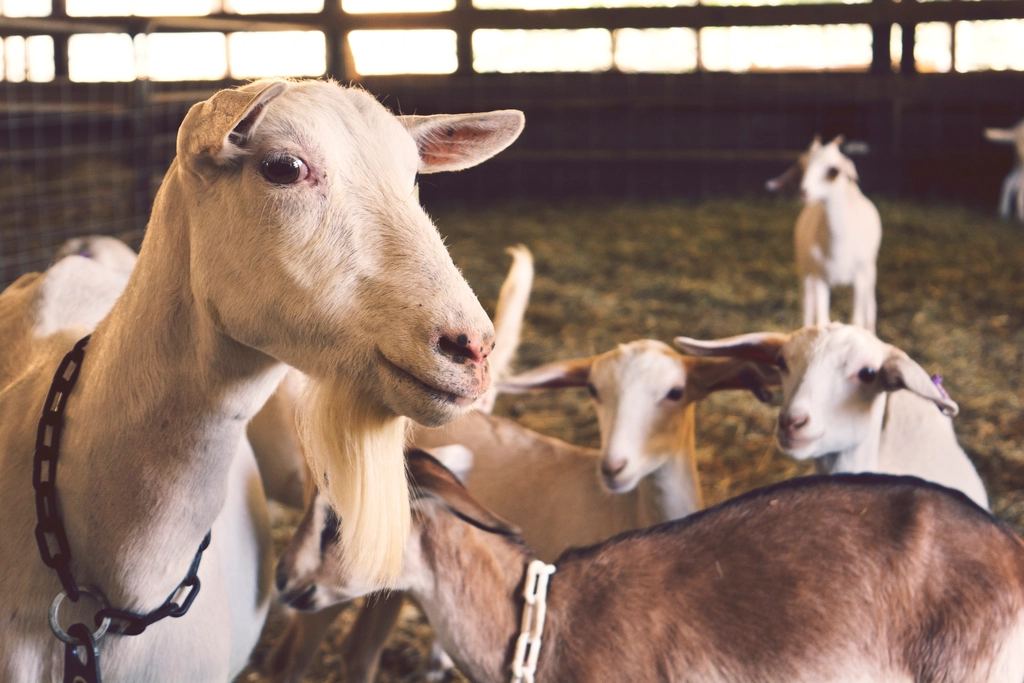
Horses, goats, pigs and chickens are herd and flock animals that need land, fencing, weather-proof shelter and chores twice a day in every season. The biggest mistake new adopters make is budgeting for the animal instead of the years: the adoption fee is the cheapest part, and none of these animals can be left alone for a weekend.
How smart they are and what that means for you
Every animal in this group needs company of its own kind, and every one of them will tell the neighbors when it does not have it. Cornell's goat program says a single goat is lonely, unhappy and noisy, and that goats bond strongly with whoever feeds and milks them; they are also vocal at the best of times. Potbellied pigs are, in VCA's words, very smart, and can be trained to walk on a harness, sit, stay, come and walk up a ramp into a car. Best Friends adds that they require constant companionship and are much happier with another pig. Chickens live in a pecking order; Penn State Extension warns never to introduce adult birds into an established flock, and Humane World for Animals notes that sexing chicks is inexact, which is why unwanted roosters end up in shelters. Horses are the largest commitment: they can live into their 30s and remain rideable into their 20s. Humane World for Animals recommends taking riding lessons and leasing a horse before adopting so you learn whether you will keep showing up to feed and water in the dark and deal with sudden lameness. A good rescue will match the horse to your skill and take it back if the match fails.
“One goat alone tends to be a very lonely, unhappy, noisy animal, so most people prefer to own at least two goats.”
Cornell University (NYS 4-H Animal Science)
Eating habits and diet
Horses are forage animals. Penn State Extension says a horse should eat at least 1 percent of its body weight in hay or pasture every day, with forage supplying half or more of the ration; Oklahoma State's budget uses 1.5 percent hay plus 0.5 percent grain for an 1,100-pound horse, and Minnesota Extension figures a horse on a dry lot at about 2 percent of body weight in forage. Hay should be leafy, green and free of mold and dust. A horse drinks 8 to 12 gallons a day. Goats need feeding, watering and checking at least twice a day, with water in 5-gallon buckets hung high enough that they cannot foul them and refilled twice daily in winter when it freezes. Potbellied pigs eat a mostly vegetable diet: Best Friends feeds romaine, vegetables, a mini-pig pellet and timothy hay twice a day, with fruit limited for its sugar. Merck stresses that pigs must always have fresh water to prevent dehydration and salt toxicity. Chickens need a complete feed plus a calcium source and grit, with feed and clean water available at all times; an adult laying hen eats no more than about a quarter pound a day, and Merck warns that non-laying birds must not be fed high-calcium layer feed.
“Nonlaying, growing birds should not be fed high-calcium layer diets, which can lead to irreversible renal damage”
Merck Veterinary Manual
Health, vet care and lifespan
Line up a large-animal veterinarian and a farrier before the animal arrives; the American Association of Equine Practitioners has a Find a DVM directory, and Best Friends says finding a pig-experienced vet is essential before adopting a pig. Horses: Merck recommends a full checkup at least once a year and twice a year after age 20. AAEP lists tetanus as a core vaccine given annually, and Oklahoma State's survey budget includes encephalomyelitis, tetanus and rabies vaccines, scheduled dewormings, a Coggins test and hoof trimming every eight weeks. AAEP stresses catching dental problems early, since waiting can make them impossible to fix. Signs that need a vet if they last more than a day or two: not eating, diarrhea or reduced manure, coughing, discharge, limping. Goats live about as long as a dog and need routine hoof trimming, which owners can learn. Potbellied pigs live 14 to 21 years, average 15 to 18; they need annual exams, hooves trimmed at least yearly, tusks trimmed annually from about age one, vaccine boosters every 6 to 12 months and routine checks for worms and mange mites, which can spread to people. Chickens typically live about 8 years and can reach 12 to 15; check for parasites monthly, and expect a poultry vet visit to run over $100.
“Adult horses should visit the vet for a full checkup at least once a year.”
Merck Veterinary Manual
Land, fencing, shelter and companions
Check zoning first; Best Friends notes that some residential zones ban potbellied pigs or cap their weight, and the same applies to chickens and roosters. Horses: Minnesota Extension recommends 2 acres of pasture per horse, never under 1, plus a dry lot of at least 400 square feet per horse with a three-sided shelter of 72 to 144 square feet per horse. Perimeter fences should be about 5 feet tall, visible, and never barbed wire. Goats: Cornell specifies 12 to 15 square feet of shed floor per doe with a yard, 25 square feet per goat in a pen, a dry three-sided shed, and woven-wire fence at least 42 and preferably 48 inches high, well anchored; horned goats need 12-inch mesh spacing. Pigs: at least 50 square feet per pig, fencing secured into the ground against rooting, a dog-house-style shelter, shade and a shallow pool, because pigs cannot sweat and overheat above 85 F. Chickens: Penn State gives 2 square feet per bird in the coop, Merck 8 to 10 in the run, and Humane World for Animals 20 square feet each if confined all day, with one nest box per four hens, solid walls and roof, quarter-inch hardware cloth over openings and a buried L-shaped wire footer against diggers. Keep two or more of everything.
“Avoid using barbed wire fencing for horses as it can lead to serious injury.”
University of Minnesota Extension
Handling, enrichment and daily routine
The routine is twice a day, every day. Cornell's goat guidance is to feed, water and check in at least twice daily, including before school in the dark in midwinter, and to clean the pen and shelter regularly or expect flies. Water is the winter chore everyone underestimates: goat buckets freeze and need refilling twice a day, and chickens need water that will not freeze. Horses on pasture do best with rotation; Penn State suggests moving them to fresh paddocks every 3 to 6 days and clipping grazed paddocks to 2 to 3 inches. Pigs need to root, so Merck recommends hay or straw in the pen and fresh dirt weekly, and relocating the pen periodically so waste does not build up in the soil. Train pigs early with food rewards to accept hoof handling and to load into a vehicle; VCA notes they can learn to roll over for trims. Chickens need a dust bath of dry dirt, sand or peat, access to grass, roost space of at least 6 inches to 1 foot per bird, and 14 to 16 hours of light a day if you want eggs. Goats need daily exercise like a dog. Handle every animal calmly and often enough that a vet or farrier visit is not its first experience of being touched.
“feed, water and check in on your goat at least twice each day”
Cornell University (NYS 4-H Animal Science)
What it costs
Adoption fees vary by organization and are sometimes waived in promotions, but for this group the fee is trivial next to upkeep. Humane World for Animals puts basic horse care at a few thousand dollars a year for feed, shelter, hoof care, dental care, deworming and vaccines, plus $200 or more for tack, and says the purchase price is usually the cheapest part. Oklahoma State Extension's survey of hobby horse owners found average annual costs of $3,876 (median $2,419): hay and grain $1,211, veterinary and medicine $485, farrier $350, bedding $275, plus building and pasture maintenance; it notes feed costs have since risen 35 to 80 percent, and the average purchase price was $3,000. Minnesota Extension's budget advice is that quality hay, emergency care, professional farrier and vet services and core vaccines are not places to cut. Chickens are cheaper to feed but a vet visit can exceed $100, and a predator-proof coop is the main setup expense. Cornell notes dairy goats cost much less to house and feed than cows but still need fencing, a shed and hoof care. No verified dollar figure exists for potbellied pigs; budget for spay or neuter, annual exams, hoof and tusk trims, and secure fencing. Whatever you adopt, price the fencing before the animal.
“The purchase price is usually the cheapest part of having a horse.”
Humane World for Animals (Humane Society of the United States)
The first two weeks at home
Have shelter, fencing, water and feed in place before pickup; Cornell puts it plainly for goats, and it applies to all four species. Keep the newcomer separate from animals you already own. Penn State's rule for chickens is never to add adult birds to an established flock, and to limit visitors to your pens; Merck advises preventive mite treatment for any newly acquired pig even without visible signs, since mange is common and transmissible to people. Keep the diet the rescue was using and change hay or feed gradually. Watch horses for the warning signs Merck lists, and call the vet if any persists more than a day or two. Keep pigs in their 60 to 75 F comfort range and out of direct sun. Schedule the first vet visit, farrier appointment and, for pigs, a hoof check in the first two weeks; Merck recommends that pig owners set an exam schedule with their vet at the first visit. Walk the fence line daily for the first week, because a new animal tests every weak point. Finally, keep the rescue's number handy; Humane World for Animals notes that horse rescues typically take an animal back if the match does not work.
“Never introduce adult birds into an established flock”
Penn State Extension
Questions to ask the shelter or rescue
For a horse: what are its age, training level and soundness, and does the rescue think it fits your riding goals and experience? Ask for veterinary records including vaccines, Coggins test date, deworming history and dental work, and the farrier schedule it has been on. Ask what and how much it is fed. Ask about the return policy and any adoption contract terms. For goats: are they horned or disbudded (this sets your fence mesh spacing), and can you adopt a bonded pair? For pigs: current weight and expected adult size, whether it is spayed or neutered (Best Friends says no pig leaves its sanctuary intact), whether tusks and hooves have been trimmed, and whether the rescue knows your zoning allows pigs. For chickens: are the birds sexed, how old are they, are they still laying, and has the flock had any disease or parasite treatment? For everything: what does the fee cover, has a vet examined the animal, and will the organization give advice after adoption? Ask, too, whether the animal has ever lived alone, and how it behaves with others of its kind.
“We highly recommend spaying or neutering your pet pig; no pig leaves our sanctuary intact.”
Best Friends Animal Society
Sources
- Humane World for Animals (Humane Society of the United States) — horse lifespan, annual cost, leasing, rescue return policy
- Humane World for Animals (Humane Society of the United States) — chicken space, predator-proofing, vet cost, zoning, roosters
- Humane World for Animals (Humane Society of the United States) — what adoption fees include
- Penn State Extension — hay intake, acreage, rotation, hay quality
- Penn State Extension — coop space, roosts, nest boxes, lifespan, biosecurity, lighting
- Oklahoma State University Extension — annual horse cost survey, feeding percentages, vet and farrier schedule
- University of Minnesota Extension — acres per horse, dry lots, water
- University of Minnesota Extension — dry lot and shelter square footage, forage intake
- University of Minnesota Extension — fence height, barbed wire warning
- University of Minnesota Extension — where not to cut costs
- American Association of Equine Practitioners — tetanus core vaccine, Find a DVM directory
- American Association of Equine Practitioners — early detection of dental problems
- Merck Veterinary Manual — horse checkup frequency and illness signs
- Merck Veterinary Manual — pig space, fencing, rooting, water
- Merck Veterinary Manual — pig vaccines, hoof and tusk trimming, mites
- Merck Veterinary Manual — poultry space, feed intake, layer diet warning
- Cornell University (NYS 4-H Animal Science) — goat floor space, fencing, shelter, water
- Cornell University (NYS 4-H Animal Science) — goat companionship, lifespan, daily chores, costs
- Best Friends Animal Society — pig zoning, diet, vet care, spay/neuter, companionship
- Best Friends Animal Society — fee promotions and application process
- VCA Animal Hospitals — pig lifespan, weight, temperature range, trainability
- ASPCA — adoption fees and promotions