Reptiles: a practical guide for adopters
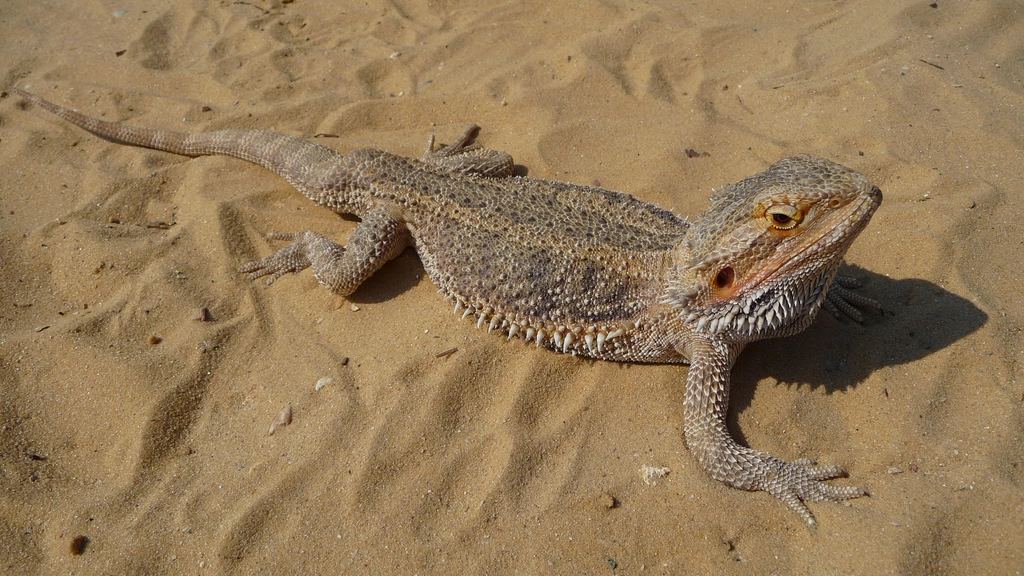
Snakes, lizards, turtles and tortoises are quiet, low-odor animals that ask for little attention but a great deal of precision: the right temperatures, the right light and the right food, every day, for a long time. The biggest mistake new adopters make is treating the enclosure as furniture rather than as life support; most reptile illness traces back to heat, UVB or diet that was close but not correct.
How smart they are and what that means for you
Reptiles are not companion animals in the way dogs or rats are. The Merck Veterinary Manual is direct about it: they are not social or colony animals, and most do better housed alone. The RSPCA gives the same advice for bearded dragons, which are territorial and can injure each other, and for corn snakes, which live solitary lives in the wild. Tolerance of people varies by species rather than by training. Merck lists green iguanas, bearded dragons and boa constrictors as more open to being handled, and chameleons as likely to be stressed by touch. Male leopard geckos are territorial, and VCA warns against keeping adult male bearded dragons together. Expect an animal you watch and maintain rather than one that seeks you out. Handling should be short: the RSPCA suggests about 10 to 15 minutes at a time for bearded dragons and corn snakes, and a corn snake holding its neck in an S shape is signaling stress and should be put down. For a household that wants a calm, interesting animal and can commit to a decade or more of exact husbandry, this is a good fit. For a household that wants cuddles, it is not.
“reptiles are not social creatures or colony animals”
Merck Veterinary Manual
Eating habits and diet
Diet depends entirely on species, so confirm what the rescue has been feeding and how often. Snakes eat whole prey. VCA recommends freshly killed or frozen-thawed prey, never live, because a mouse bite can cause a life-threatening infection. Smaller or younger snakes usually eat twice a week; mature snakes eat once every week or two. The RSPCA's corn snake schedule runs from one pinky every five to six days for hatchlings to one adult mouse every 7 to 14 days, with prey slightly wider than the widest part of the snake. Bearded dragons eat roughly half insects and half plants over their lives, but juveniles are mostly insectivores and adults mostly herbivores; VCA advises dusting food with phosphorus-free calcium daily and a calcium-plus-D3 powder two to three times a week, feeding spinach and chard sparingly, and never feeding fireflies, which are toxic. Leopard geckos eat live insects, juveniles every one to two days and adults two to three times a week, dusted with calcium and gut-loaded for 24 hours first. Tortoises eat leafy greens such as spring mix, kale, collard and turnip greens with limited fruit. Aquatic turtles take pellets, small fish and vegetables plus calcium and a multivitamin. Give every reptile a heavy water bowl that cannot tip.
“Snakes should be trained to eat dead prey. It is more humane for the prey and safer for the snake.”
VCA Animal Hospitals
Health, vet care and lifespan
Most general practices do not treat reptiles. Use the Association of Reptile and Amphibian Veterinarians' Find A Vet directory before you adopt, and VCA advises choosing a veterinarian who is an ARAV member. Plan on an annual exam; VCA recommends a fecal parasite check at every tortoise visit. The common problems are husbandry problems. Metabolic bone disease comes from the wrong calcium-to-phosphorus ratio and a lack of vitamin D3 or UVB, and shows as weakness and swollen or deformed bones. Respiratory infections follow wrong temperatures, dirty enclosures and poor nutrition, with open-mouth breathing and nasal discharge. Low humidity causes retained shed, including stuck eyecaps in snakes. Mouth rot (infectious stomatitis) starts as purplish-red spots in the mouth. All reptiles can carry Salmonella without symptoms; wash hands after every contact, and note that turtles under four inches cannot legally be sold in the United States for this reason. Lifespans are long. Merck's captive figures: corn snake 10 to 15 years, ball python 15 to 20, boa constrictor 15 to 25, bearded dragon 5 to 10, leopard gecko 20 or more, eastern box turtle 25 to 50, leopard tortoise 50 or more. VCA notes sulcata tortoises may live 100 years and reach 150 pounds.
“It is caused by a poor diet with the wrong ratio of calcium to phosphorus and a lack of vitamin D3 or poor husbandry.”
Merck Veterinary Manual
Heat, light and enclosure
Every enclosure needs a temperature gradient, a thermometer at each end and a thermostat. VCA's snake figures are a cool end of 70 to 75 F, a warm end of 90 to 95 F and nights of 65 to 70 F. Bearded dragons need a cool side of 75 to 80 F, a basking spot of 90 to 100 F and nights of 65 to 80 F. Leopard geckos do best in the mid-80s F with nights no lower than 70 F. Aquatic turtles need water at 75 to 82 F and a basking area of 75 to 88 F. Merck warns that exceeding the upper limit by only 10 F can be fatal. Mount heat sources outside and above the enclosure; never use hot rocks. Diurnal lizards and turtles need UVB (290 to 320 nm) within 6 to 18 inches with no glass or plastic in between; replace bulbs every 6 to 12 months even though they still glow. Size: adult bearded dragons need a 60 to 100 gallon tank, an adult corn snake at least 150 cm of length, a leopard gecko at least 10 gallons, and aquatic turtles 10 gallons of water per inch of shell. Use paper substrates, not sand, cedar or pine. Snakes need 40 to 70 percent humidity and a locking lid.
“Ultraviolet (UV) light is necessary for reptiles to manufacture vitamin D3, which is required for the intestines to successfully absorb calcium from food.”
VCA Animal Hospitals
Handling, enrichment and daily routine
Keep handling brief and predictable. The RSPCA suggests 10 to 15 minutes at a time and says to wait 48 hours after a snake has eaten before picking it up. A turtle or tortoise pulling into its shell when lifted is normal, not a sign of illness. Wash your hands after every contact with the animal, its water or its enclosure. Enrichment is mostly structure: at least two hides, one at the warm end and one at the cool end; climbing branches for bearded dragons and a box of sand-soil mix for digging; caves, cork bark or an upside-down box for snakes. VCA encourages supervised outdoor sun for bearded dragons when the weather allows, and tortoises can graze outdoors on grass free of fertilizer or pesticide inside a fence buried 6 inches deep. The daily routine is short but non-negotiable: read both thermometers, remove waste, refresh water. Weekly, clean the water dish. Monthly, replace substrate. Every three months, take the enclosure apart and disinfect it. Aquatic turtles need a filter plus a 50 percent water change weekly or a full change every three to four weeks.
What it costs
Adoption fees for reptiles vary by organization and species. The ASPCA notes that shelters and rescues usually charge a fee that pays for veterinary care and food, and the RSPCA says its reptile fee covers health checks, veterinary treatment and specialist husbandry support while the animal is in its care; ask what the fee includes. The real expense is the setup, not the animal. Budget for a correctly sized enclosure, a thermostat-controlled heat source, a UVB fixture for species that need one, two thermometers, a hygrometer, hides and a heavy water bowl. The RSPCA warns that exotic pets need specialist heating and lighting running 24 hours a day and that turning temperatures down to save on energy bills leads to serious health problems. Recurring costs include UVB bulbs every 6 to 12 months, monthly substrate changes, frozen prey or live insects, calcium and vitamin supplements, and an annual exotic-vet exam with a fecal test. Because many of these animals live 15 to 50 years, multiply those recurring costs accordingly before you commit. No trusted source we consulted publishes a national dollar figure for reptile setup or upkeep; ask the rescue for a written parts list and its typical vet bills.
“don't turn down temperatures or light sources for your exotic pets. This can lead to serious health problems.”
RSPCA
The first two weeks at home
Have the enclosure running for several days before the animal arrives, with both thermometers reading inside the species' range day and night and the thermostat proven. Book a veterinary visit early: VCA recommends a health check within two weeks of acquiring any reptile, within 48 to 72 hours for aquatic turtles and within a week for tortoises. Bring a fresh fecal sample in a bag so the vet can screen for intestinal parasites, which are common in animals of unknown history. House the newcomer separately from any reptiles you already own; these are solitary animals and separate enclosures are the norm. Keep handling to a minimum during the first week and do not handle a snake for 48 hours after it eats. Offer food on the schedule the rescue was using. Watch for the early warning signs the vet sources list: sunken or closed eyes, discharge from the nose or eyes, open-mouth breathing, retained shed, or spots in the mouth. Snakes lose their appetite and turn dull before a shed, which is normal; raise humidity slightly during that period.
“It is recommended to have a health check within two weeks of acquiring your pet reptile.”
VCA Animal Hospitals
Questions to ask the shelter or rescue
Ask for the exact species and, if known, the age and sex; the RSPCA notes that some species grow far larger than adopters expect and that reptiles live longer than people assume. Ask what the animal eats, how often, and whether a snake is already taking frozen-thawed prey. Ask when it last shed and whether the shed was complete. Ask whether a fecal parasite test has been done and whether it has ever been treated for metabolic bone disease, respiratory infection or mouth rot. Ask what temperatures and UVB setup it has been living in so you can match them on day one. Ask how it responds to handling. Ask whether any license or paperwork is required for the species where you live. Ask what the adoption fee covers and whether a veterinary check is included. Ask about the return policy; Best Friends, for example, states a lifetime return policy. If there are young children or immunocompromised people in your home, ask the rescue for its Salmonella guidance before you decide.
“The fee helps cover the cost of preparing each animal for rehoming and supporting their care while they're with us.”
RSPCA
Sources
- Merck Veterinary Manual — lifespans, temperament, healthy-animal checks
- Merck Veterinary Manual — temperature ranges, UVB, substrate, cleaning schedule
- Merck Veterinary Manual — annual exams, shedding
- Merck Veterinary Manual — metabolic bone disease, respiratory infection, dysecdysis, mouth rot
- VCA Animal Hospitals — snake temperatures, hot rocks warning, humidity
- VCA Animal Hospitals — prey type and feeding frequency
- VCA Animal Hospitals — bearded dragon enclosure size and temperatures
- VCA Animal Hospitals — bearded dragon diet and supplements
- VCA Animal Hospitals — leopard gecko housing and feeding
- VCA Animal Hospitals — tortoise lifespan, diet, outdoor fencing, vet schedule
- VCA Animal Hospitals — aquatic turtle diet, Salmonella, vet schedule
- VCA Animal Hospitals — aquatic turtle tank size, water and basking temperatures
- VCA Animal Hospitals — box turtle lifespan and handling
- VCA Animal Hospitals — UVB requirements and bulb replacement
- VCA Animal Hospitals — first vet visit timing and ARAV membership
- Association of Reptile and Amphibian Veterinarians — finding a reptile veterinarian
- Humane Society of the United States (Humane World for Animals) — Salmonella, small-turtle ban, lifespan
- RSPCA — pre-adoption research, heating costs warning
- RSPCA — solitary housing, handling duration, enrichment
- RSPCA — corn snake feeding, handling, enclosure size
- RSPCA — adoption fee and adopter requirements
- ASPCA — what adoption fees fund
- Best Friends Animal Society — return policy