Small pets: a practical guide for adopters
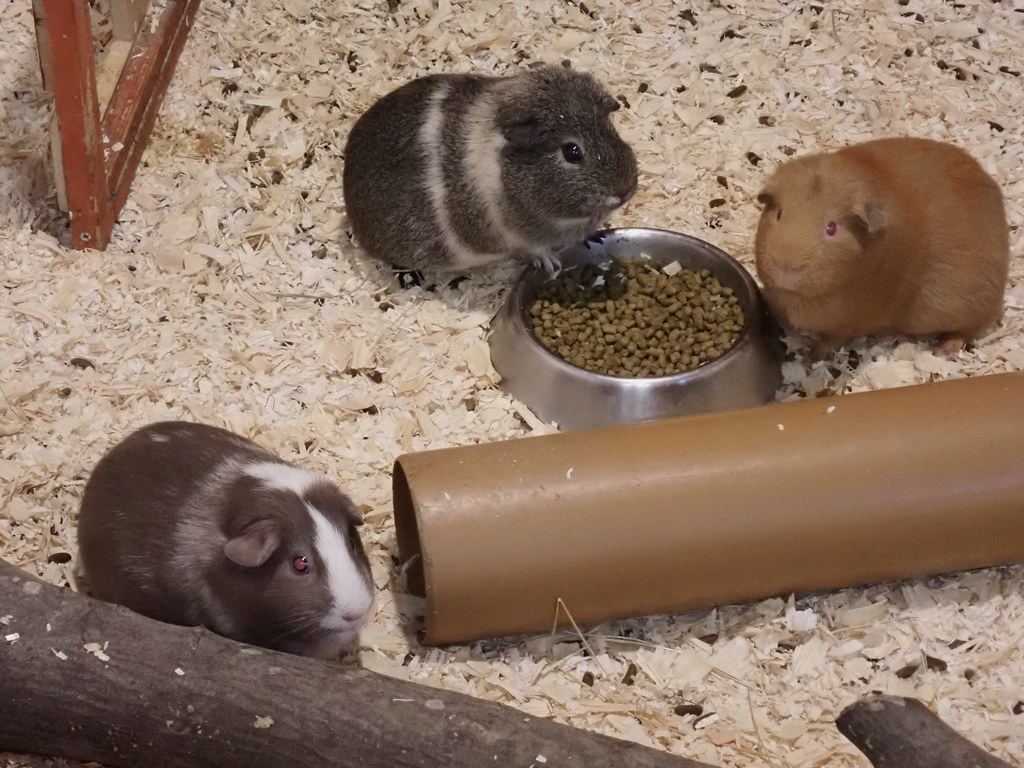
Guinea pigs, rats, hamsters, ferrets and chinchillas are cheap to feed but not low-effort: most need company of their own kind, several are active at night, and all need far more space than the cages sold next to them. The biggest mistake new adopters make is getting one animal of a species that must live in pairs, or two of a species that must live alone.
How smart they are and what that means for you
Social needs differ sharply by species, so decide the species before the individual. Guinea pigs should not live alone; the RSPCA says they are happiest in pairs, and VCA describes them as docile, interactive and unlikely to bite. Rats are the most trainable of the group: the RSPCA notes they memorize routes, learn quickly and should be kept in same-sex pairs or trios. Hamsters are the opposite. Syrian and Chinese hamsters must live alone or they fight; only some dwarf species can share. They are nocturnal, so a hamster is awake when children are asleep, and Humane World for Animals says children under 8 usually lack the control to handle one safely. Ferrets sleep 18 to 20 hours a day, are most active at dusk, and are playful and curious; VCA warns they can become nippy without socialization and should never be left unsupervised with infants. Chinchillas live in colonies of more than 100 in the wild and must not be kept singly, but they are shy, dislike being held, and are best for adults who prefer watching to handling. They can live 10 to 20 years and jump six feet.
“Guinea pigs get lonely and shouldn't be kept alone - they're happiest in pairs.”
RSPCA
Eating habits and diet
Guinea pigs and chinchillas are hay animals. Their teeth grow continuously and only constant chewing of abrasive hay wears them down, so hay must be available at all times and make up most of the diet. VCA's guinea pig proportions are about 75 percent grass hay, 20 percent leafy greens and vitamin-C-rich vegetables, and 5 percent timothy-based pellets. Guinea pigs cannot make vitamin C; give a fresh portion of pellets every day rather than topping up the bowl, because the vitamin degrades in air, and do not add it to water, which changes the taste. Bell peppers, parsley and romaine are good daily greens. Never feed iceberg lettuce, potato, avocado, citrus or lawnmower clippings. Rats and hamsters do well on a commercial pellet; Merck suggests 15 to 20 percent protein for hamsters and says extra vitamins are usually unnecessary, with vegetables and seeds only as limited treats. Ferrets are obligate carnivores. The American Ferret Association is explicit that they have very specific nutritional needs, and Merck describes the right diet as meat-based, high in protein, moderate in fat and low in carbohydrate. Check water twice a day; the RSPCA notes guinea pigs become seriously ill without it.
“Good-quality hay should make up the majority of your guinea pig's diet and should be available at all times.”
RSPCA
Health, vet care and lifespan
Find a veterinarian who treats small mammals before you adopt; Humane World for Animals notes that even routine rat procedures such as spay and neuter need a vet trained in small-mammal surgery. VCA recommends a first exam within 48 hours for ferrets and chinchillas and annual checks after that. Lifespans: guinea pigs 5 to 6 years, sometimes 8 to 10; rats 2 to 3; hamsters about 1.5 to 3; ferrets 6 to 10 (VCA puts the average at 5 to 8 and calls them geriatric at 3 to 4); chinchillas 10 to 20. Common problems: guinea pigs get scurvy, dental disease and life-threatening gut problems. Rats commonly develop chronic respiratory disease from Mycoplasma, which has no cure, and mammary tumors, which are usually benign; spaying reduces the tumor risk. Ferrets need canine distemper vaccination at 8, 12 and 16 weeks plus annual boosters, rabies vaccination where required, and are prone to adrenal disease, insulinoma and lymphoma; the American Ferret Association publishes guides on each. Female ferrets must be spayed before their first heat. Both ferrets and hamsters can catch influenza or colds from people. Chinchillas need no vaccines but die of heat stroke above 80 F and suffer dental disease and gut stasis; VCA says any loss of appetite needs immediate attention.
“Rats with chronic respiratory disease rarely live longer than 2 years.”
Merck Veterinary Manual
Housing, bedding and who needs company
Size first. Humane World for Animals gives 7.5 square feet (about 30 by 36 inches) as the bare minimum for one guinea pig and prefers 10.5 square feet for two; VCA's minimum is 24 by 36 inches with solid flooring, since wire injures feet. Rats need at least 2.5 cubic feet per rat with bar spacing too narrow for a head, solid floors, and a wheel 12 to 14 inches across. Hamsters need at least a 20-gallon tank or equivalent, tall enough for deep bedding, with a solid-surface wheel. Ferrets need a cage at least 3 by 3 by 2 feet plus 2 to 4 hours out of it daily. Chinchillas need at least 3 by 2 by 3 feet for one and 3 by 2 by 5 feet for a pair, with a solid 15-inch wheel. Temperatures: guinea pigs 65 to 75 F, ferrets 65 to 75 F, hamsters 64 to 79 F, chinchillas 55 to 68 F and never above 80 F with humidity under 40 to 50 percent. Use paper bedding everywhere; cedar and pine contain oils that irritate airways, and Merck calls them poisonous for hamsters. Ventilation matters as much as cleaning. Company: pairs or groups for guinea pigs, rats and chinchillas; Syrian hamsters alone; male rats only with cagemates they grew up with.
“A major cause of respiratory disease in pet rodents is poor environmental ventilation, which allows ammonia from the urine to build up and irritate the pet's airways.”
VCA Animal Hospitals
Handling, enrichment and daily routine
Handle at the animal's pace and at the animal's hours. Guinea pigs are easily startled and should be supported gently; a child who squeezes or drops one can be bitten. Rats enjoy light rubbing around the face, will take treats from your hand and can learn tricks. Do not wake a hamster to play; the RSPCA advises cleaning the cage only when hamsters are awake, and Humane World for Animals notes they may bite if roused. Chinchillas shed clumps of fur (fur slip) if grasped tightly, so let them come to you. Ferrets explore by mouthing and chewing, so ferret-proof the room, remove electrical cords and houseplants, and supervise every out-of-cage session. Enrichment is structural: the RSPCA recommends one more hide or shelter than the number of animals for both guinea pigs and rats, plus tunnels, hammocks and ropes for rats and untreated willow or fruit-tree sticks for guinea pigs to gnaw. Chinchillas need a 10 to 15 minute dust bath daily, removed afterward, with the dust changed weekly. Routine: spot-clean daily, deep-clean weekly for guinea pigs, rats and chinchillas, and every two to four weeks for hamsters with spot cleaning every few days. Refill water daily and check the sipper is not blocked. Wash hands after handling.
“Clean out the cage when your hamsters are awake and not in the middle of the day, when they are sleeping, as this disturbance can be stressful for them.”
RSPCA
What it costs
Adoption fees for small animals vary by organization. The ASPCA notes that fees fund veterinary care, spay or neuter and food, and Humane World for Animals points out that shelter animals usually cost less than free or purchased ones once included services are counted. The published figures we found are from Humane World for Animals. For a hamster, expect $50 to $100 for the habitat and $150 to $300 a year for food, bedding and veterinary care. For guinea pigs and rats, it advises budgeting at least several hundred dollars a year for food and supplies, not including veterinary costs. For ferrets it warns that appropriate veterinary care may be costly and suggests pet insurance because of chronic disease risk; annual distemper boosters and, for ferrets over three, a yearly geriatric workup add to that. No figure we could verify exists for chinchillas, but a 10 to 20 year lifespan, weekly dust and a large multilevel cage make them the most expensive rodent here over time. Ongoing costs across the group are hay, fresh pellets daily, paper bedding replaced weekly, and a small-mammal vet exam each year. Cage size drives the setup cost more than anything else; buy the right size once.
“Annual expenses for food, bedding, and veterinary care typically range from $150–$300.”
Humane World for Animals (Humane Society of the United States)
The first two weeks at home
Set up the cage before pickup in a draft-free spot away from windows, heating vents, direct sun and loud speakers, elevated off the floor, where the animals can see family life but retreat from it. Book a small-mammal vet exam within the first 48 hours for ferrets and chinchillas and within the first week or two for the others, bringing whatever records the rescue has. Keep the diet the rescue was using and change it gradually. If you are pairing a new animal with one you already have, introduce guinea pigs on neutral territory and supervise; VCA warns that chinchillas can injure or kill each other at a first meeting. Never house Syrian hamsters together. Expect the first days to be quiet: the ASPCA's guidance for adopted pets is that they may feel nervous and overwhelmed for the first three days and need time to observe. Sit near the cage, talk, offer food from your hand, and postpone extended handling. A small mammal that stops eating for a day is an emergency, not a phase; loss of appetite is the shared first sign of dental disease, gut stasis and infection in every species here.
“Injury and death can occur from fighting, so be sure to monitor any chinchillas meeting each other for the first time”
VCA Animal Hospitals
Questions to ask the shelter or rescue
Ask which species and, for hamsters, which kind: a Syrian must live alone and a dwarf may not. Ask the age and sex, and whether the animals are a bonded pair or trio; rescues that keep rats and guinea pigs in groups can tell you who gets along. Ask whether they are neutered or spayed, and for female ferrets whether that happened before the first heat. Ask for ferret vaccination dates for distemper and rabies, and confirm ferrets are legal where you live; some states and municipalities ban them. Ask what the animal eats now and how much. Ask whether any respiratory signs (sneezing, red staining around the eyes and nose in rats), dental problems, mites or gut problems have been noted or treated. Ask what size cage they were in and what bedding, so you can match it. Ask how they respond to being picked up. Ask what the fee covers and whether a vet check is included. Ask about the return policy and whether the organization offers care advice after adoption.
“it's still best to check state and local laws, as there are select states which do not allow them as pets.”
Humane World for Animals (Humane Society of the United States)
Sources
- RSPCA — guinea pig lifespan, companionship, vitamin C
- RSPCA — guinea pig temperature, bedding, hides, cleaning
- RSPCA — guinea pig diet
- RSPCA — hamster lifespan, solitary species, nocturnal behavior
- RSPCA — hamster bedding and cleaning routine
- RSPCA — rat lifespan, intelligence, social needs, spay benefits
- RSPCA — rat cage design, temperature, enrichment
- RSPCA — ferret lifespan, sleep, sociability, influenza
- RSPCA — ferret housing, enrichment, ferret-proofing
- RSPCA — chinchilla lifespan, colony living, temperament, hay
- VCA Animal Hospitals — guinea pig temperament, diet proportions, cage minimum
- VCA Animal Hospitals — rodent cage sizes, bedding to avoid, ventilation, social housing
- VCA Animal Hospitals — chinchilla lifespan, dust baths, fur slip, vet schedule
- VCA Animal Hospitals — chinchilla cage size, temperature, humidity, introductions
- VCA Animal Hospitals — chinchilla dental disease, heat stroke, GI stasis
- VCA Animal Hospitals — ferret lifespan, vaccines, vet schedule, legality
- Merck Veterinary Manual — hamster cage height, bedding, temperature, diet
- Merck Veterinary Manual — rat flooring, bedding, wheels, diet, cleaning
- Merck Veterinary Manual — rat respiratory disease and mammary tumors
- Merck Veterinary Manual — ferret cage size, out-of-cage time, diet, temperature
- Merck Veterinary Manual — ferret lifespan and spaying before first heat
- Humane World for Animals (Humane Society of the United States) — hamster costs, cage minimum, children
- Humane World for Animals (Humane Society of the United States) — guinea pig annual cost, handling, adoption
- Humane World for Animals (Humane Society of the United States) — guinea pig cage square footage and placement
- Humane World for Animals (Humane Society of the United States) — rat cage volume, annual cost, vet needs
- Humane World for Animals (Humane Society of the United States) — ferret legality, vaccination, cost warning, child safety
- Humane World for Animals (Humane Society of the United States) — what adoption fees include
- American Ferret Association — obligate carnivore status
- American Ferret Association — adrenal disease and insulinoma resources
- ASPCA — adoption fees and first-days adjustment
- Best Friends Animal Society — return policy and post-adoption support